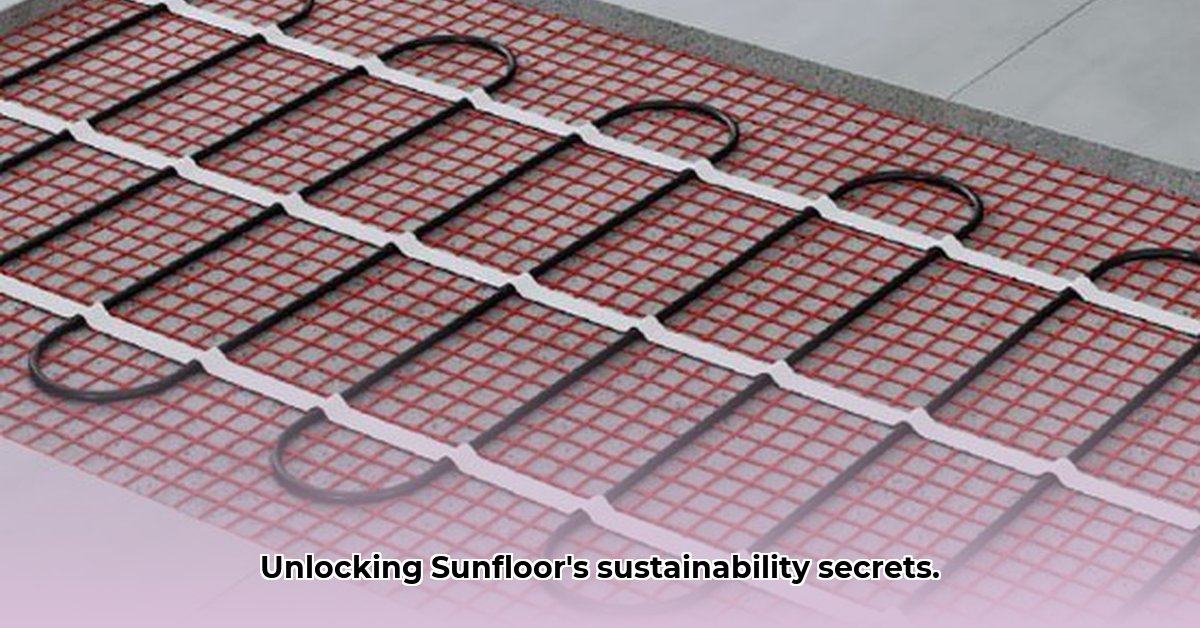
Sunfloor's Environmental Impact: A Comprehensive Assessment
This article provides a detailed analysis of Sunfloor hardwood flooring's sustainability, examining its life cycle from forest to disposal. We evaluate its environmental impact based on available information, highlighting areas requiring greater transparency from the manufacturer. Key aspects assessed include wood sourcing, manufacturing processes, and end-of-life management. Understanding the sustainability of Sunfloor requires a multifaceted approach, considering both its potential benefits and inherent risks. Sustainable flooring, life cycle assessment, FSC certification, carbon footprint, and responsible sourcing are crucial aspects to consider.
Sunfloor's Wood Sourcing: The Foundation of Sustainability
The origin and harvesting methods of Sunfloor's wood are paramount to its overall sustainability. Responsible forestry practices are essential to minimize deforestation and maintain biodiversity. A key indicator of sustainable sourcing is Forest Stewardship Council (FSC) certification 1. FSC certification verifies that the wood comes from forests managed according to strict environmental and social standards – ensuring responsible harvesting and reforestation. Without this certification, assessing the environmental impact of wood sourcing is extremely challenging. The absence of readily available, transparent information on Sunfloor's wood sourcing presents a significant challenge in evaluating its sustainability. How can consumers confidently determine whether Sunfloor is contributing to deforestation or upholding sustainable forestry practices?
Manufacturing and Transportation: Assessing the Carbon Footprint
Beyond sourcing, the manufacturing process significantly contributes to Sunfloor's environmental impact. Energy consumption during manufacturing, transportation emissions, and the use of chemicals all affect its carbon footprint. A comprehensive life cycle assessment (LCA) – a methodology for evaluating the environmental impacts associated with all stages of a product’s life – would provide a thorough understanding. Unfortunately, a lack of publicly available data from Sunfloor limits a detailed LCA at this time. What specific measures are implemented to reduce the energy intensity of Sunfloor's manufacturing processes? A detailed breakdown of Sunfloor's carbon emissions across its whole lifecycle is crucial for a full assessment.
End-of-Life Management: The Final Chapter in Sunfloor's Life Cycle
The end-of-life management of Sunfloor flooring is equally crucial in assessing its sustainability. How easily can it be recycled or repurposed? Does it end up in landfills, contributing to waste accumulation? Transparency about disposal options and recycling programs, along with consumer education, are essential to minimizing the environmental impact at this stage. What are the end-of-life solutions for Sunfloor, and what percentage of its products are successfully recycled or reused? This information is critical for understanding the complete picture of Sunfloor's environmental impact. What responsible disposal strategies are being promoted by Sunfloor to mitigate environmental damage?
Stakeholder Responsibilities and Future Outlook
Achieving true sustainability for Sunfloor requires a collaborative effort. Manufacturers, consumers, environmental groups, and governmental agencies all hold responsibilities.
Sunfloor manufacturers need to proactively increase transparency by openly sharing sourcing information, environmental impact data from manufacturing and transportation, and end-of-life management plans. Independent third-party verification of sustainability claims through certifications like FSC and LEED would significantly enhance credibility. Consumers can play a role by demanding transparency and choosing products with verifiable eco-friendly certifications. Environmental groups can advocate for stricter standards and conduct independent lifecycle assessments. Governmental agencies can create incentives for sustainable products and regulate end-of-life management. The future of responsible flooring choices depends directly on commitment to transparency and a lifecycle approach.
Key Takeaways
- Transparency is crucial: Sunfloor's sustainability hinges on open communication regarding wood sourcing, manufacturing processes, and end-of-life options.
- Certifications matter: FSC certification signifies sustainable sourcing, while independent LCA data provides a comprehensive environmental impact assessment.
- Collaboration is key: A collaborative approach among manufacturers, consumers, and regulatory bodies is essential for promoting sustainable flooring practices.